Last Updated on May 18, 2025 by admin
Positivity and Sustainability at the forefront for Label manufacturers in the EU
At Label Craft we manufacture all pharmaceutical labels from flat labels to constructed booklet and ECL labels, Braille, variable data and security features and Patient Information Leaflets (PIL). We operate the latest in hi detection/inspection equipment. High performance print image control system enabling us to meet customer demands on quality and error free output. We pride ourselves in our continued service levels with our team of highly skilled and experienced staff. Investment is continuous with Label Craft investing in the latest technologies in the world market today.
We are Ireland’s most trusted Packaging Manufacturer providing Labels, Leaflets and Cartons for the Pharmaceutical, Food & Drinks Industry and beyond. Label Craft are proud to be part of The Asteria Group since 2022. Established in 1984 and based in Dundrum Dublin we joined The Asteria Group in 2022 and are one of Irelands largest self-adhesive label and packaging manufacturer, supplying to the pharmaceutical, healthcare, medical devices, cosmetic, veterinary and the food and drinks industry.\
At the second session of the European Label Forum (ELF) 2024, the focus was on the exciting crucial developments along the supply chain, exploring key themes such as sustainability, recyclability, digital transformation, and the role of AI in reshaping the labelling industry. With contributions from industry leaders and experts, the session provided deep insights into the challenges and opportunities within the label production and packaging sectors.
Recyclability and Material Innovation
As the market shifts steadily towards sustainability, recyclability has become a very important focus. Sustainable packaging is no longer just a game-changer—it’s a non-negotiable for the future of your business. Label producers are working on innovative solutions like wash-off labels that improve the recyclability of containers. However, the need for continued efforts to find solutions for waste materials like matrix and liner waste was also emphasised. In terms of material innovation, the panellists discussed the balance between different types of packaging and their environmental impacts. While plastic has been criticised for its environmental footprint for some applications, it might be the most sustainable option due to its lower carbon emissions compared to other materials like aluminium or glass.
Sustainability in Supply Chain Evolution
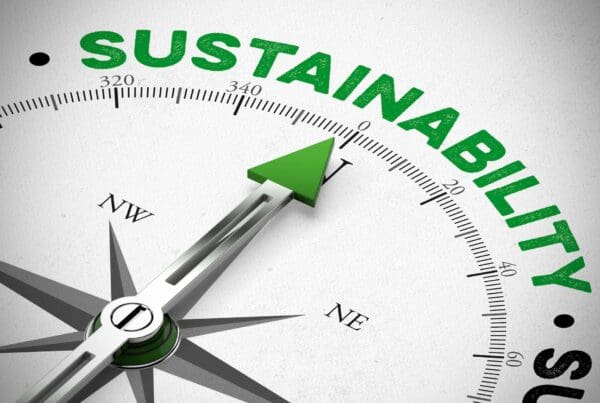
One of the major themes discussed during this session was sustainability, particularly the need for a holistic approach to packaging and label design. The industry is under increasing pressure to adopt circular economy principles, with major brands pushing for more sustainable solutions. Panellists emphasised the importance of sustainability throughout the value chain, from raw materials to the final product. As pointed out during the industry panel, sustainability is not just about replacing materials like plastic with alternatives but about reducing overall carbon emissions and finding the right balance for each application. For example, some packaging solutions made from paper may have a higher carbon footprint than plastic, highlighting the complexity of this particular issue.
Economic Challenges and Supply Chain Resilience
The forum also addressed the broader economic challenges facing the industry. The post-COVID recovery has been uneven, with significant fluctuations in demand for labelstock. Many converters have seen sharp declines in profitability due to rising material costs, and there is a clear need for more resilient supply chains. The session concluded with a call for continued investment in technology and innovation. AI, automation, and digitalisation were identified as critical tools for improving efficiency and meeting the evolving demands of both regulators and consumers.
Digital Transformation and AI Integration
Digital technology is revolutionising the supply chain, enabling better tracking, process automation, and efficiency. The integration of Artificial Intelligence (AI) into various aspects of the supply chain was a prominent discussion point. For example, AI could help predict supply chain disruptions and improve decision-making, which is crucial for preventing issues like the shortages experienced in recent years. AI is also transforming consumer interaction with brands. As discussed in the presentation on consumer attitudes to watch, AI-driven tools like generative AI are enhancing the personalisation of consumer experiences. For example, one of the world’s leading soft drinks brands used AI to create a flavour profile and packaging design based on consumer data, reflecting the growing importance of AI in product innovation.
Collaboration Across the Supply Chain
The panellists were in agreement that the future of the labelling industry depends on collaboration across the value chain. As the complexity of regulatory requirements, consumer demands, and technological advancements grows, it becomes increasingly difficult for companies to operate in isolation. Family-owned businesses are under pressure to document and meet sustainability goals, which requires greater cooperation between stakeholders. The importance of data sharing and standardisation was also discussed, particularly in relation to sustainability metrics. The need for standardised carbon footprint calculations across the industry to ensure consistency and transparency was mentioned.