Last Updated on January 19, 2026 by admin
What 2026 means for the European Packaging Industry
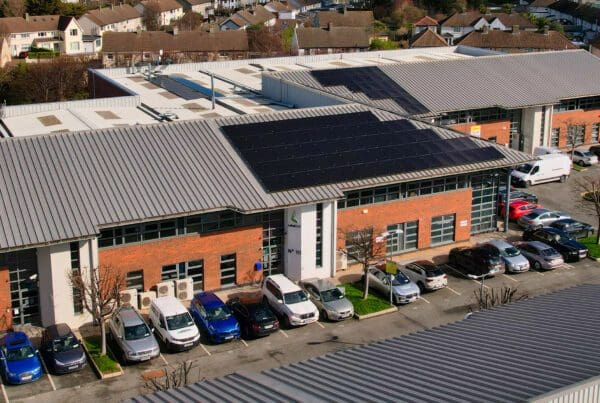
Label Craft are Irelands most trusted packaging manufacturer helping build global brands. Established in 1984 and joining The Asteria Group in 2022 we are based in Dundrum Dublin we are one of Irelands largest self-adhesive label, package and carton manufacturer, supplying to the pharmaceutical, healthcare, medical devices, cosmetic, veterinary and the food and drinks industry.
2026 is shaping up to be a defining year for the European labelling and packaging industry. From recyclability mandates to Extended Producer Responsibility (EPR) rules, brands across Europe are rethinking how products are designed, labelled, and brought to market. But with this transformation also comes opportunity — to innovate, differentiate, and build stronger consumer trust. At Asteria Group, we believe the future of packaging is measurable, collaborative, and science-driven.
Our CEO, Ives Declerck, shares key insights on how the industry is evolving and how leaders are preparing for 2026 and beyond.
From promises to proof: action-backed sustainability
Sustainability has long been a topic of discussion, but by 2026, it will become a compliance benchmark, shaping how consumers, regulators, and markets evaluate brands.
Across the sector, we’re seeing increased demand for:
- Recyclable materials that support circularity goals.
- Wash-off technologies that allow packaging components to be reused or recycled more efficiently.
- Lightweight label materials that reduce CO₂ emissions during transport and production.
This shift presents a shared challenge across the industry: balancing sustainability with performance and cost. Through initiatives like the Asteria Sustainable Solutions (A.S.S.) program, we’re seeing how data-backed material innovation helps brands meet recyclability targets without compromising functionality, a critical step in achieving both regulatory compliance and consumer trust.
Operational excellence with purpose
As energy prices fluctuate and environmental targets tighten, efficiency has become both a financial and environmental priority. It’s increasingly clear that sustainability cannot stop at the product, it must extend across every aspect of operations.
By 2026, Asteria Group is advancing operational efficiency through sustainable solutions implemented across 40+ sites in 10 countries, with ambitious goals that include:
- Cut waste generation by at least 5% through smart resource management.
- Increase energy efficiency via equipment designed to optimise production, such as LED lighting and other energy-saving technologies.
- Achieve a minimum 10% circular revenue share, meaning one in ten euros earned comes from sustainable solutions.
- These operational shifts not only reduce environmental impact but also ensure production stability and long-term value creation.
Partnership as a growth strategy
Brands struggle to navigate the complex packaging landscape alone. Collaboration is key to accelerating change. They seek suppliers who co-create solutions, redesigning packaging for efficiency, compliance, and circularity.
Successful partnerships often focus on:
- Reducing total packaging weight while maintaining visual and structural quality.
- Aligning with national recycling infrastructure, such as the shift to mono-materials.
- Educating consumers through transparent labelling that promotes correct recycling behaviour.
Science-based targets and transparent reporting
The rise of Science Based Targets Initiative (SBTi) participation is reshaping accountability in the packaging sector. Companies are moving beyond voluntary commitments toward validated carbon reduction pathways, aligned with international climate goals.
For brands, this means selecting partners that can provide verifiable data, from carbon footprints per label to lifecycle assessments of materials. Data-backed sustainability claims will be central to building trust with both consumers and regulators in 2026. In line with this commitment to transparency and measurable progress, Asteria Group has announced in 2025 our commitment to the Science Based Targets initiative (SBTi) — joining a global movement of companies aligning their climate goals with what science says is necessary to limit global warming.
Looking ahead
The year ahead will be defined by measurable sustainability, circular design, and cross-sector collaboration, where innovation and responsibility move hand in hand. For brands, 2026 is not just a year of new regulations; it’s a year of new possibilities. A chance to turn packaging from a compliance challenge into a strategic advantage, connecting sustainability, innovation, and consumer trust in every detail. Together, we can transform packaging into a strategic advantage, one that shapes a more circular, transparent, and resilient future for all. Together, we can reshape the future of packaging!